
Lives Exchanged and Deaths Not Replaced
A ManThe novel contrasts identities that can be transferred with deaths that remain singular, shaping Rié’s grief and Kido’s search.
increasing Bearing strength in each event
 decreasing
Bearing strength in each eventdecreasingRié Asks Who Died
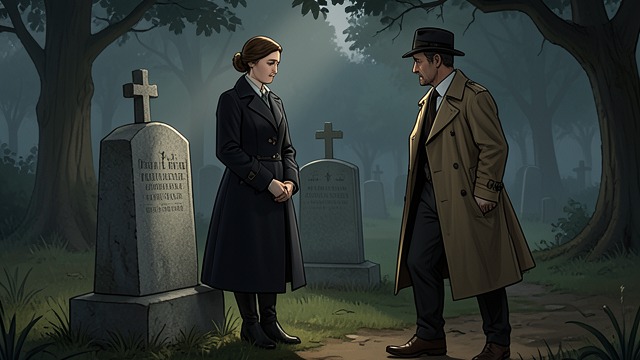
A Question in the Records
The detective’s confusion
A police detective asks who actually died when the man listed as Daisuké Taniguchi was buried.
The question turns existential
Rié wonders whose death her husband died and whether his former life continues somewhere under another name.
Ryo’s Irreplaceable Death
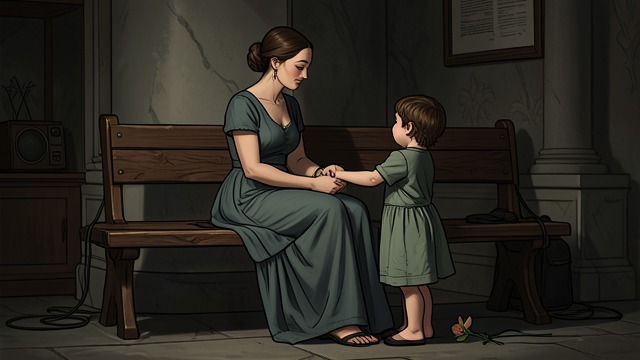
A Loss No One Can Take
A mother’s wish
Rié had wanted to die in Ryo’s place, but understands that only he could die his own death.
A lasting distinction
The experience teaches her that a life may be exchanged or retold, but death cannot be transferred to another person.
Hara Takes Daisuké’s Life
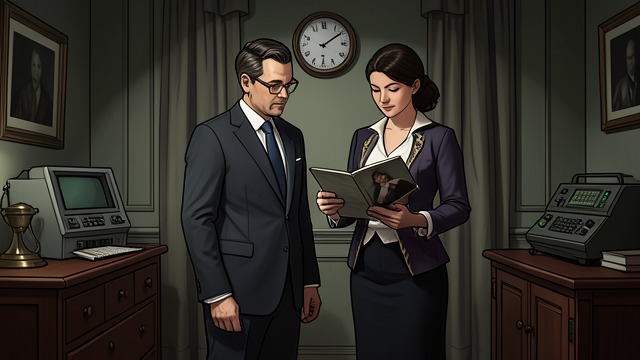
One Life Continues as Another
A willing exchange
Hara accepts Daisuké’s identity after hearing the story of the life Daisuké wants to leave.
A future created
He becomes the husband and father in Rié’s memories. The transfer creates genuine relationships even though it cannot make the two men the same person.
A Body Disappears in the Forest
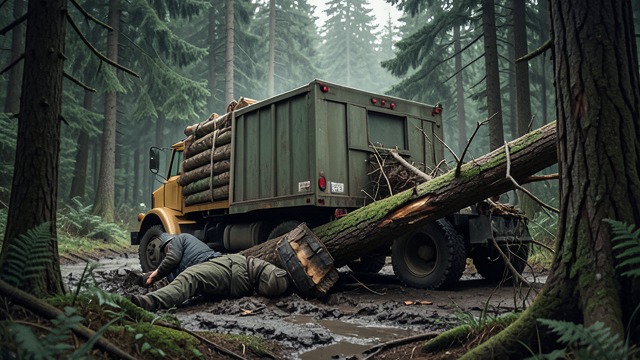
The Fatal Limit
Hara’s death
Hara dies in a logging accident while living under Daisuké’s name. His body is not an identity that someone else can simply continue.
Rié’s unresolved grief
The false name complicates mourning, but the death and the family’s loss remain real.
The Dead Wait for Names
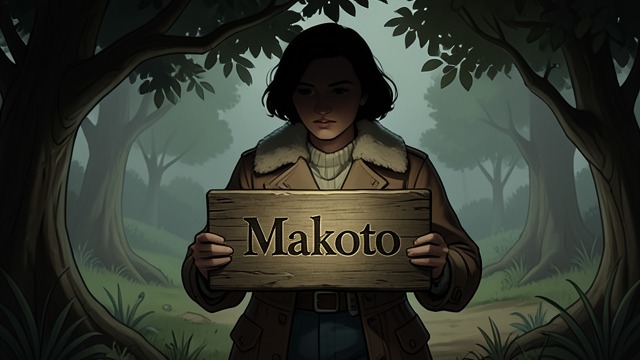
Calling the Lost
Rié finds a name
After learning the truth, Rié can begin to address the deceased as Makoto rather than as a stranger’s name.
Memory answers absence
Naming does not revive him, but it allows his life and death to occupy a place in the family’s shared memory.
After the police report
After Ryo’s death
Before Hara moves to Town S
September 2011
Near the ending
